Family History Community Workshop
The 8-session Family History Community Workshop teaches Harlem residents how to create a family history photo book or a short family history documentary. Cohort 2 will begin in December 2026 and take place on Saturdays from 10 AM to 2 PM at the Columbia University Lee C. Bollinger Forum, 605 West 125th Street at Broadway. Class dates will be announced soon. Priority will be given to Harlem residents living in Manhattan Community District 9, but all New York City communities could apply. The workshop is sponsored by the Digital Media Training Program, under the auspices of the Board for the Education of People of African Ancestry (a 501 C3 non-profit). If you are interested in applying for Cohort 2, click here.
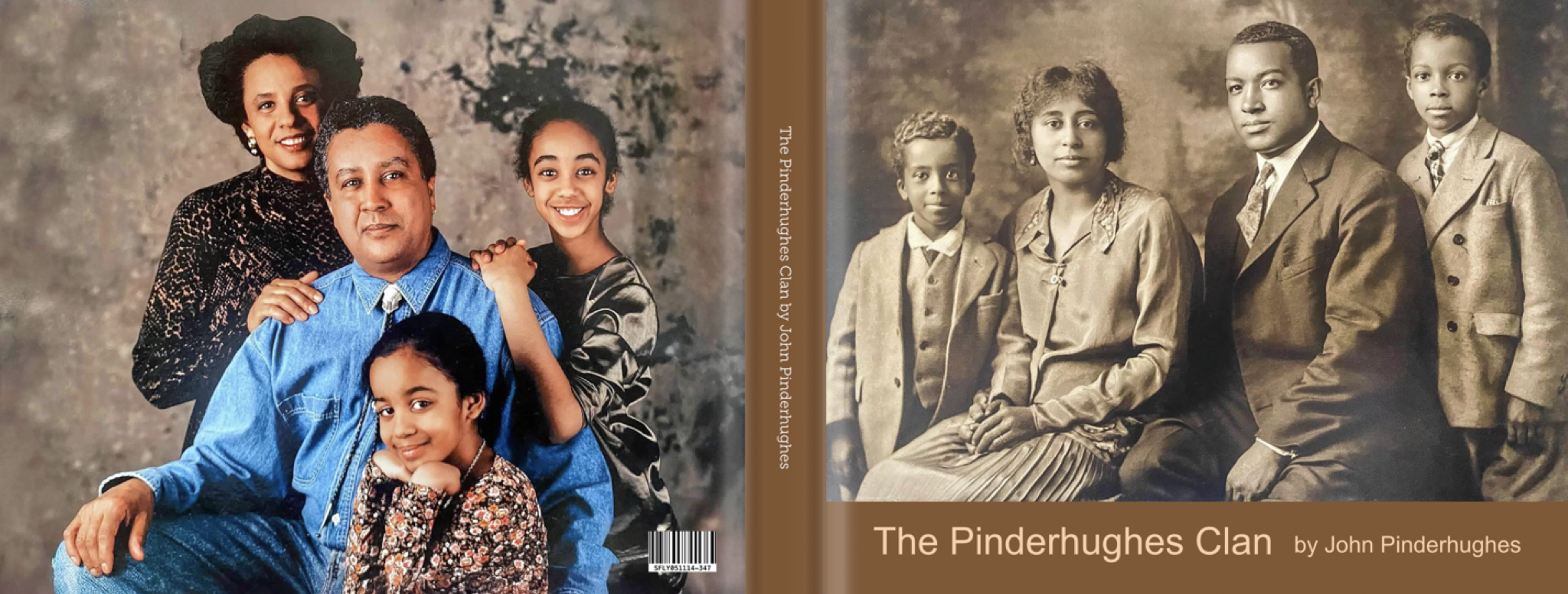
John Pinderhughes
“When I told my father, I wanted to be a photographer he thought I was crazy. But he had taught me that I could do anything I wanted to. Eventually he became one of my biggest fans.”
“When I came to Harlem many of the clubs were still in existence such as Well’s, Smalls, Jocks, the Red Rooster, Lenox Lounge. They were all going real strong. You could go see people that you had only heard about like Monk and Coltrane.”
One Photograph, One Conversation
Imagine opening a shoebox you have not touched in years. On top is a small black-and-white print: a young woman on a brownstone stoop, a man in uniform beside her, a storefront sign cut off at the edge. Nothing is written on the back. These are your people, but the questions come quickly. Who are they? What street is this? What happened that day, and why did someone keep this picture for so long?
A photograph holds what memory lets slip: the cut of a coat, the tilt of a hat, the way a hand rests on a shoulder, a storefront long gone. It cannot tell you names, what was said, or what happened next. An elder often can. And the telling sends you back to the picture, to a pin on a lapel or a figure half-hidden in a doorway. Neither the image nor the memory is complete, and either can mislead. Together, they correct and enrich each other.
The conversation can be simple. Sit beside a relative with the photograph between you and ask: Who took this? What happened just before? Why did the family keep it? Then listen, and let the speaker lead. Researchers studying Black family and community photographs describe how looking together turns an interview into a shared search, two people working out a date or a name side by side.
From there, a photo book begins to take shape. Gather and scan the photographs, keeping the originals safe. Record your interviews, transcribe them, and choose the passages that sound most like the person speaking. Write a caption for each image. Then arrange the pages by time or by theme, such as migration, work, faith, and celebration, so each page leads into the next and a story unfolds across generations.
Care with details is what turns a keepsake into a record. Note names, dates or approximate dates, places, the photographer when known, who owns the original, and who told the story and when. Flag uncertain recollections, check what can be checked, and ask permission before sharing anyone's image or words. In Montreal, a community historian recalled urging a prolific neighborhood photographer to write on the backs of his prints. He rarely did, and his vast collection became very difficult to identify. A photograph without its story can become a stranger.
Pictures of graduations, church anniversaries, first jobs, block parties, and journeys north also document Harlem and Black American life more broadly. They show joy, style, ambition, and ordinary accomplishment alongside hardship. Photographs do more than reflect history; they shape how it is remembered. When families caption their own images, they become the authors of that memory.
The Family History Community Workshop helps people turn their photographs and recorded memories into photo books and short documentaries. You can begin with one photograph and one conversation, so that future generations will know their relatives not only as faces but as people, with personalities, choices, and lives of their own.
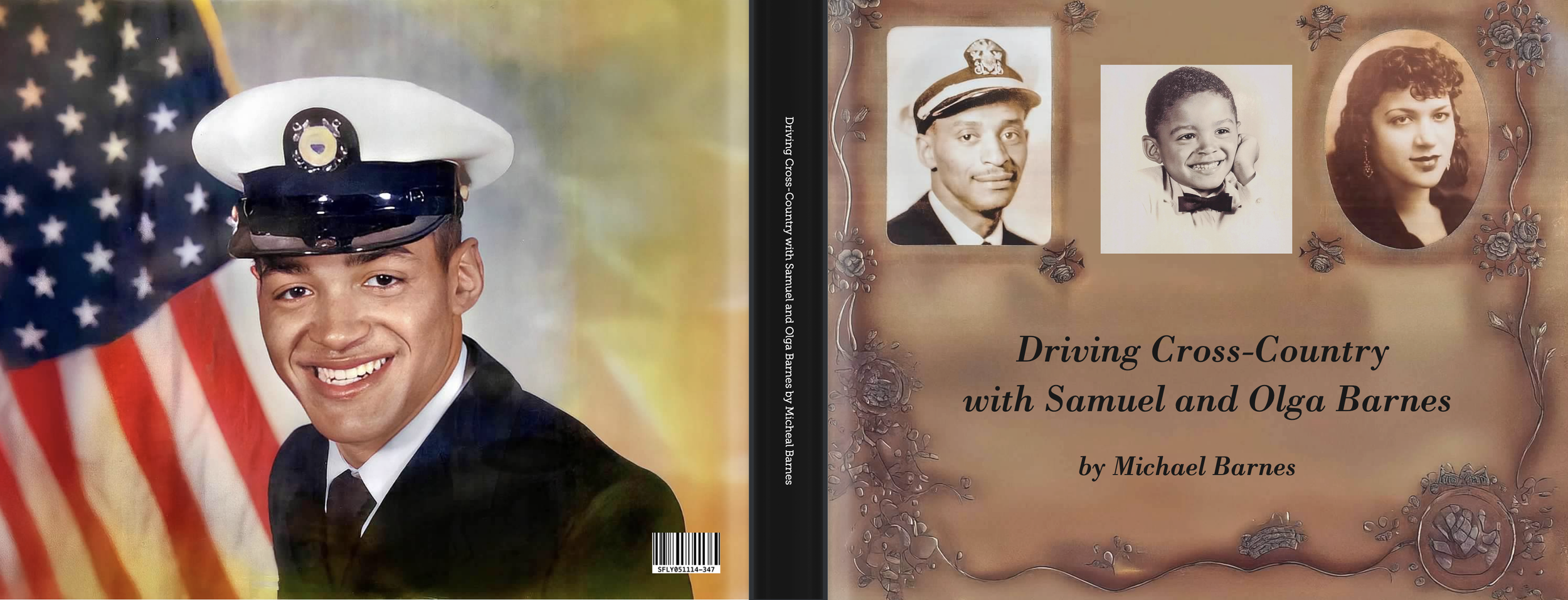
Michael Barnes
"What I understand better now, looking back, is that when my parents were driving us across America, they were driving a Black family through a country that had not yet made itself easy for Black families to move through. My parents kept the Green Book with them. The Green Book was the guide that told you, in all fifty states and in other countries too, where you could stop for gas, where you could eat, where you could stay. It was the book that made those trips possible. My parents never made a big thing of it. They just had it, and they used it, and they kept driving."
"My father was one of the Golden 13 — the first Black commissioned officers in the United States Navy. There were thirteen of them at the start, and on their first night they made a vow that all thirteen of them were going to make it through. So that's what they did. Whatever one man was good at, he taught the others... The Navy kept them busy all day, and after lights out the only lights still on were the lights in the bathroom — so that's where they went. They sat in the bathroom after lights out and worked through their material together, every night, until all thirteen of them came through. That's why they call them the Golden 13."
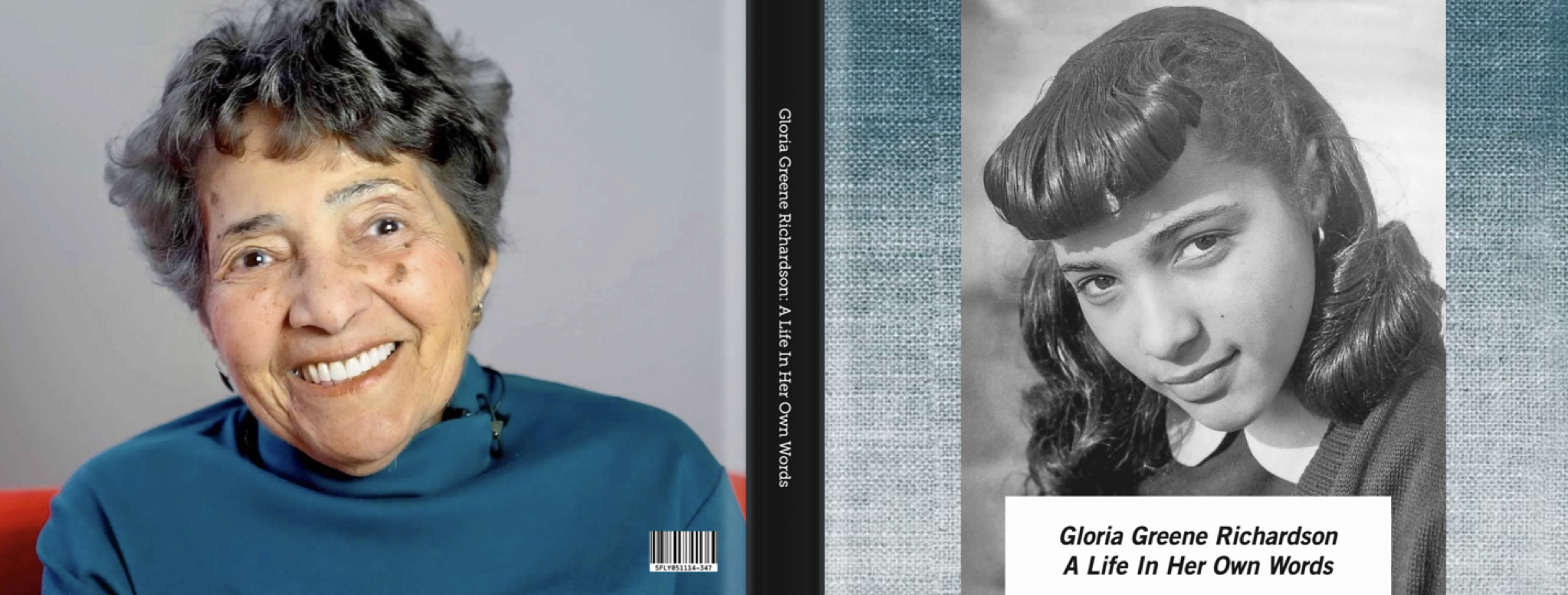
Gloria Greene Richardson
"My father was Tommie Greene. He knew how to make corn whiskey. During the day it was numbers, and at night it was parties. There was a German fellow, Jack Geiger, on Lenox Avenue who sold pork to Black folks in Harlem, but in the back was the kitchen where my father was cooking for the people who worked there and the people who'd come in the back to eat and play their numbers. He believed in pot cooking — he knew when to put his greens, when to put his potatoes, when to put his corn. Everything was timed perfectly, and you could smell it. So everybody came back there to get a dish. My dad was the cook, the German fellow supplied the meat, and they did the numbers. All three were in it together."
"There was a Black nun, her name was Mother Theodore. Black women could not join white orders, so the Black women had to start their own. There was one in Baltimore, one in Louisiana, and the one in New York. Mother Theodore came to New York — I don't know where her funds came from — but she started the Handmaids of Mary. The nuns came from all over: Texas, Detroit, the South. They disciplined us well. They did not play. But they treated us well, and besides my mother, those were the only women I really knew."
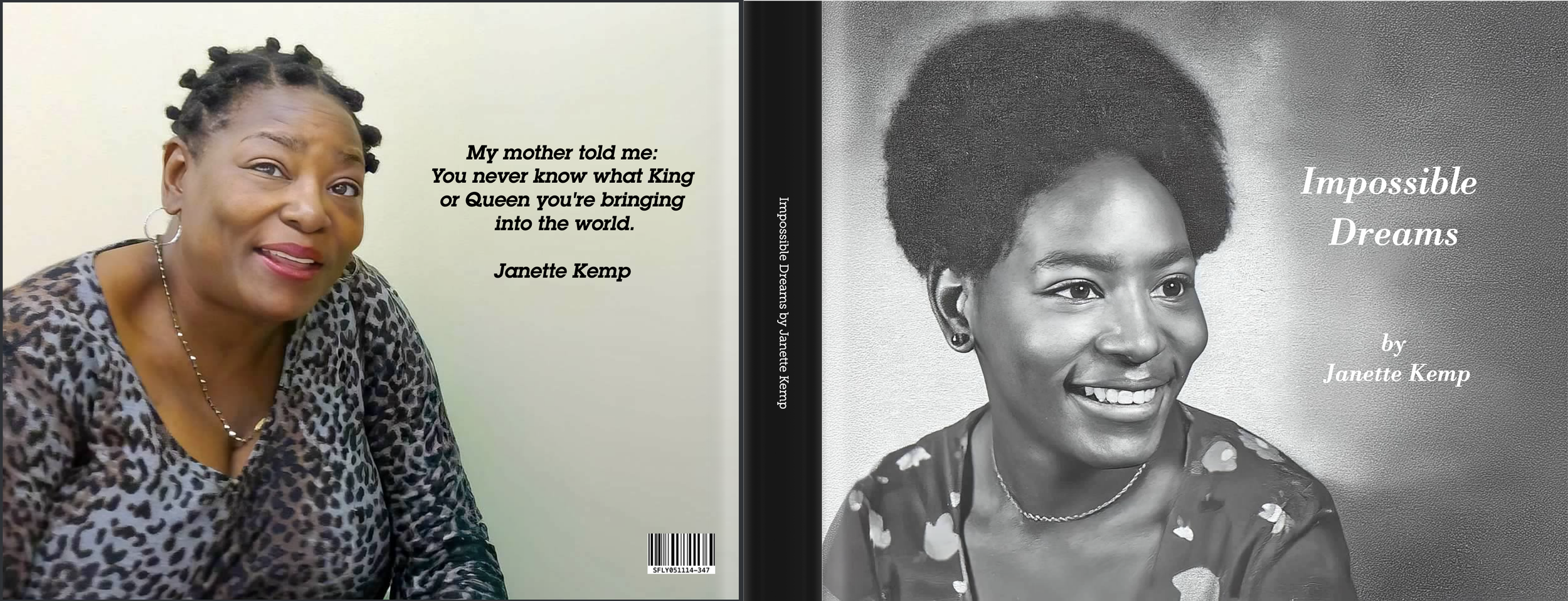
Janette Kemp
“My mother was Fannie Gilbert, and the first thing you have to understand about me is how she got here. She came up from Greene County, Alabama, during the Great Migration — fifteen years old, on a Trailways bus, with my oldest sister Patricia asleep on her lap. My great-aunt Rosie had already made it to New York, and my mother followed her up. When I got older I asked her why she left, and she didn’t dress it up. She told me that if she’d stayed, either she was going to get killed, or she was going to kill somebody.”
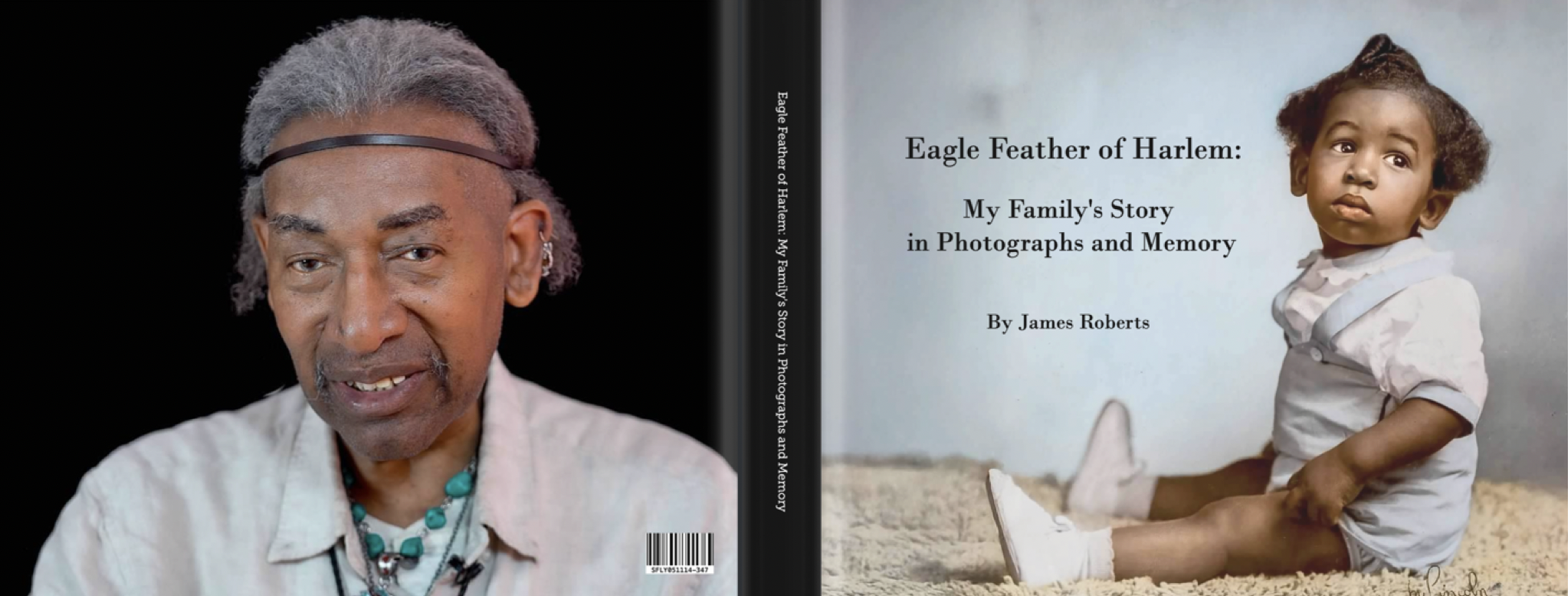
James Roberts
"The pictures I have are very sacred to me. I keep them because I want to immortalize my mother and my father and all the people who helped me grow up to be the person I am now."